
What Is Craniosacral Therapy for Babies?
If you’ve landed here, you may already be exploring support for feeding, sleep, or your baby’s comfort in their body. You might have heard me mention craniosacral therapy especially in conversations around breastfeeding and maybe you paused and thought:
Wait… what actually is craniosacral therapy?
You’re not alone.
Craniosacral therapy (often called CST) is one of those things that’s much easier to experience than to define. But I want to offer you a simple, grounded way to understand it, especially when it comes to babies, and why this work can be so supportive in the early months of life.
Because when we understand why something works, it becomes easier to soften into trusting it.
A Gentle Beginning: What Craniosacral Therapy Is
Craniosacral therapy is a light-touch, hands-on approach that works with the nervous system, connective tissues (fascia), and the subtle rhythms of the body. Practitioners use very gentle contact, often just the weight of a nickel to listen to how the body is holding tension, and to support it in unwinding patterns that may be creating restriction or stress.
It’s not about forcing change. It’s about creating the conditions where the body can remember how to settle, organize, and function with more ease. You can think of it less like “fixing” and more like listening and responding.
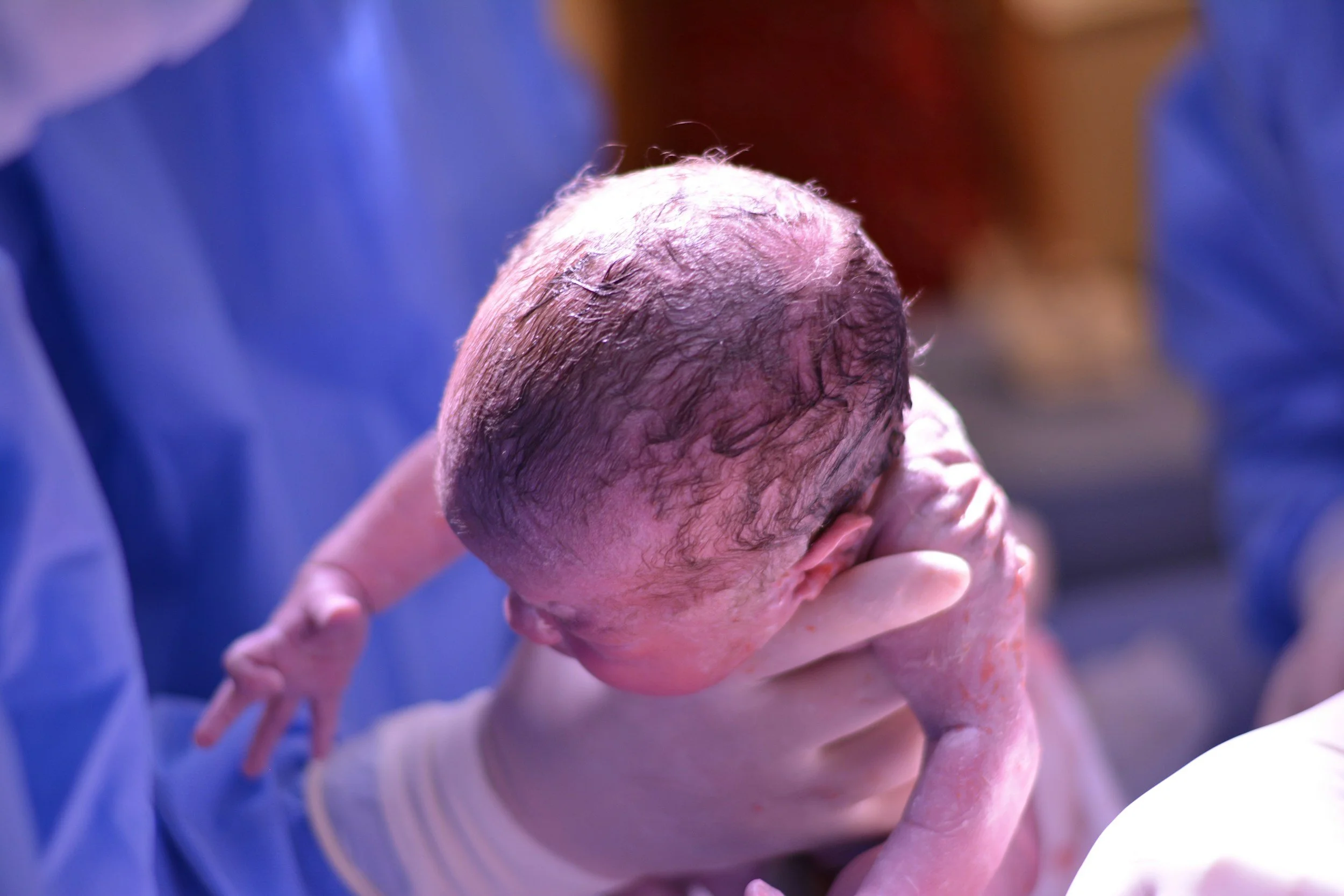
The Body Tells a Story
From conception through birth and beyond, babies experience a lot.
Even in the most supported, loving births, there can be moments of compression or strain. In more complex births such as long labors, very fast labors, cesarean births, or the use of interventions, those experiences can leave subtle imprints in the body.
These imprints aren’t something to fear. They’re simply the body’s way of adapting, which is really smart.
But sometimes those adaptations can show up as:
Difficulty latching or feeding comfortably
Tension through the neck, jaw, or body
Preference for one side
Fussiness or trouble settling
Digestive discomfort
Craniosacral therapy for babies offers a way to gently meet these patterns, not by overriding them, but by helping the body complete or release what it couldn’t at the time.
Why Babies Respond So Quickly
One of the most beautiful things about working with babies is this:
They haven’t spent years compensating.
Their systems are still incredibly adaptable, responsive, and open. Where adults often need time to unwind layers of holding, babies tend to shift more quickly because their patterns are newer and less deeply wired.
Their nervous systems are also profoundly relational. This means that when we create a space of safety through gentle touch, attuned presence, and co-regulation their bodies respond, often in ways that feel surprisingly immediate. We might see adeeper breath, a softening through the jaw or a sense of settling that wasn’t there before.
It’s Not Just Physical
While craniosacral therapy can support very physical concern such as tension, digestion, or feeding challenges what’s really happening goes deeper.
We’re working with the nervous system and supporting regulation. We’re helping babies shift out of states of stress or overwhelm and into states where feeding, digestion, connection, and growth can happen more easily. And because babies exist in such close connection with their caregivers, this often supports you too.
Many parents notice that sessions feel regulating for their own bodies, like everyone exhales together.
Craniosacral Therapy and Breastfeeding
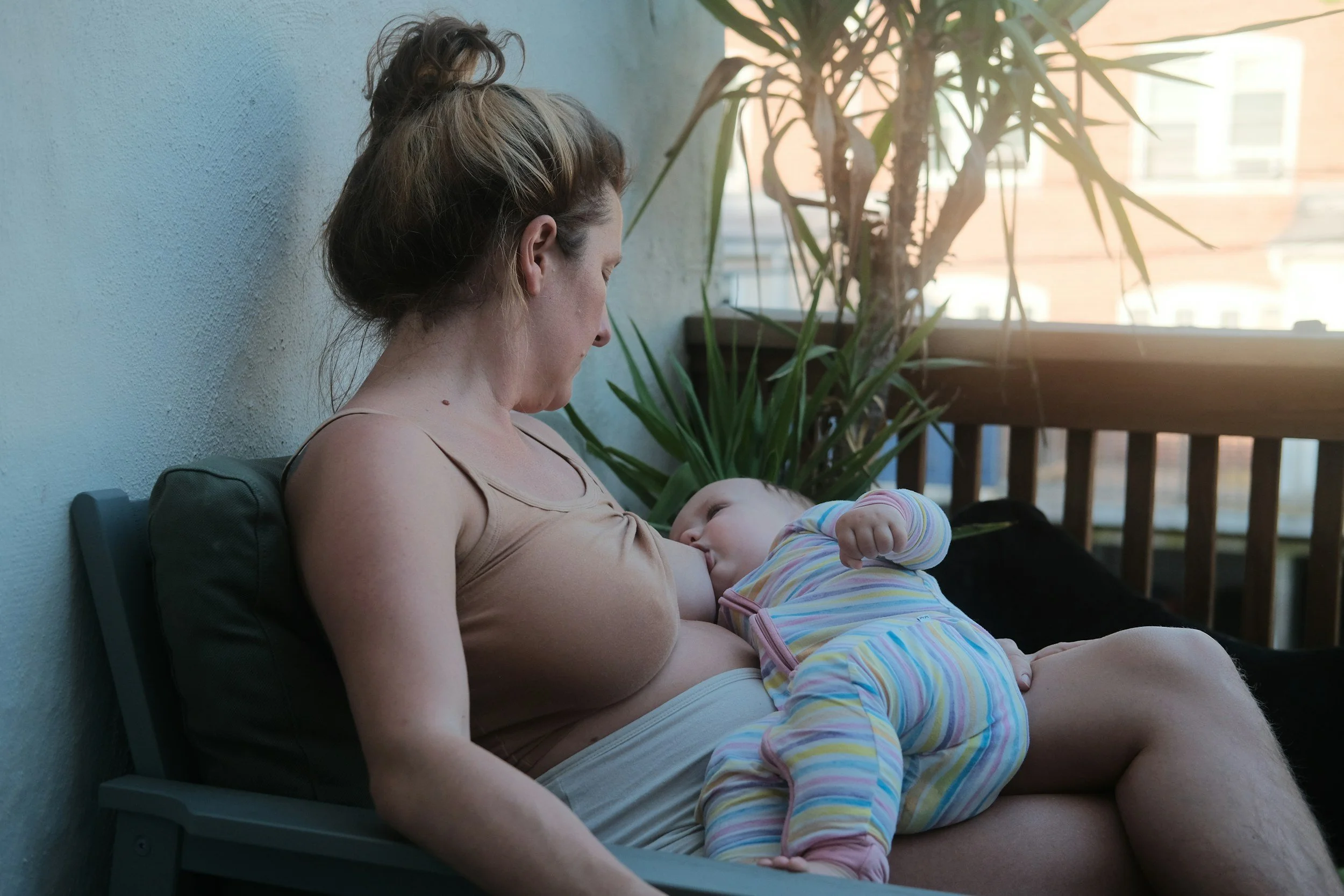
If feeding is part of your story, this is where this work often becomes especially meaningful. Breastfeeding is not just about technique. It’s also about coordination, comfort, and nervous system state. The ability to suck, swallow, and breathe with ease depends on how freely the structures of the mouth, jaw, neck, and diaphragm can move.
When there is tension in these areas, feeding can become harder work for both of you. Craniosacral therapy helps create more ease in those structures and supports the nervous system in shifting out of patterns that interfere with feeding.
If you’d like a deeper look at this connection, I share more here:
https://www.leshanelson.com/blog/why-craniosacral-therapy-matters-for-breastfeeding-amp-newborns
What a Session Looks Like
With babies, sessions are simple and slow. Your baby might be in your arms, feeding, sleeping, or resting on a table. There’s no need for them to “perform” or stay still.
I use gentle contact often at the head, sacrum, or along the body and track how their system responds.
Sometimes babies sleep.
Sometimes they stretch, vocalize, or move.
Sometimes there are small emotional releases.
If you’re someone who prefers to hear this work described more conversationally, I walk through what this can look like in real time here:
https://open.spotify.com/episode/0EyRYbM1zWTOeOFrlfCsjV?si=c725691e7d344b35
A Different Way of Thinking About Support
We live in a culture that often looks for quick fixes. Craniosacral therapy invites something different and often much slower. What if your baby’s body already knows what to do…and just needs the right conditions to do it?
What if healing isn’t something we apply, but something we allow? When you hear that craniosacral therapy is “self healing” what we really mean is when we help the body be in a state of rest and digest (parasympathetic system). When we are in that nervous system state the body can naturally unwind, relax, and put it’s energy and resources towards healing. Craniosacral therapy is one of the best ways to help the body be in that rest and digest state.
You Don’t Have to Figure It Out Alone
If something in your intuition is nudging you about feeding, about your baby’s comfort, about wanting more ease it’s okay to follow that. There is no way you can have all the answers. This work is about being curious, staying attuned, and letting things unfold one step at a time.
If you’re local, you’re always welcome to reach out for a craniosacral therapy session for your baby. If not, I hope this gives you a starting point for exploring.